Home » Termite Treatment Cost Canberra

Termite Treatment Cost Canberra

Termite treatment in Canberra starts from $249 for a localised treatment and from $2,800 for a full chemical barrier or baiting program. The price is set by the property size, the construction type, the access conditions and the treatment method the inspection confirms.

Canberra’s continental climate brings cold winters and warm summers, and many homeowners assume the cold keeps termites away. It does not. Subterranean termites are active in the ACT year-round, and our technicians find live workings in homes across every district in every month, including July and August. Properties near pine plantations, nature reserves and established gardens face the highest pressure. The most cost-effective protection is a regular inspection program that catches activity before it reaches structural timbers.

  • Licensed Canberra pest control technicians.
  • 20+ years combined experience.
  • Environment Protection Act 1997 (ACT) and Environment Protection Regulation 2005 (ACT).
  • Termidor Accredited Applicator. Fully insured.
  • 4.7 stars from 223+ reviews. 

Quick Answers About Termite Treatment Costs

What will termite treatment cost in Canberra?

A localised treatment for a contained area runs from $249. Covering the whole property with a chemical barrier or a baiting program starts at $2,800. The treatment method and price are confirmed after the inspection and set out in a written quote.

What does an ACT termite inspection cost?

Standard ACT homes begin at $249. Larger homes or properties with restricted subfloor access cost more. Each inspection takes 45 to 90 minutes and produces a written report.

Are termites active in Canberra during winter?

Yes. Activity slows in the coldest months but does not stop. Homes with central heating, heated subfloors or hot water systems against the building maintain warm conditions that keep colonies foraging. Our technicians find active workings in Canberra homes in every month of the year.

And the cost of a chemical barrier?

Around $2,800 once the full perimeter is treated. The price reflects the perimeter length, the amount of concrete to drill through, the soil type and the product applied. Left undisturbed, that soil zone stays effective for as long as 8 years.

Is termite damage covered by home insurance?

Standard home insurance policies in Australia exclude termite damage. Insurers classify it as preventable through regular inspection and maintenance. Check your individual policy.


What Canberra Homeowners Pay for Termite Control

Termite treatment costs in Canberra reflect the ACT’s distinctive housing stock and seasonal cycle. The dominant residential construction across the established districts is 1960s to 1980s concrete slab homes, many with no subfloor access. That construction era means the entire inspection relies on thermal imaging to detect activity behind walls, and any barrier treatment goes through drilling rather than trenching.

In the Woden and Weston Creek districts, our technicians treat homes from the 1960s and 1970s expansion. These properties sit on slab with small garden footprints, but mature European and native trees planted decades ago now have root systems running close to the building. In Deakin, Forrest and Red Hill, larger established homes with expansive gardens and sandstone retaining walls present a different profile: the gardens create moisture and concealed pathways, and the retaining walls give termites a direct route from the soil into the building frame.

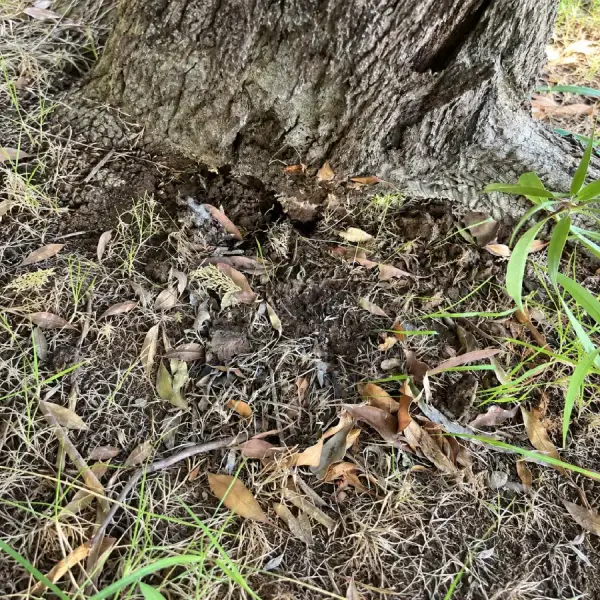
Properties bordering nature reserves through Kambah, Fadden and the Tuggeranong Valley carry the highest treatment costs in the ACT. The pine and eucalyptus woodland supports large colonies that forage into neighbouring properties during the warmer months. Our technicians report that rear fencing, garden sheds and timber retaining walls are the first structures attacked before the colony reaches the building itself.

In Gungahlin’s newer suburbs, from Harrison and Franklin through to Forde, slab-on-ground homes are easier to inspect externally. But our technicians find that landscaping installed during construction often sits hard against the slab, creating a concealed entry path that is not visible from the surface.

CSIRO puts the figure at nearly one Australian home in three. AEPMA data sets the average repair bill near $10,000. Regular inspection from $249 is the most practical path to avoiding that figure.

Termite calls in Canberra pick up from October when the first warm days trigger foraging activity after the winter slowdown, and remain steady through to April.

Termite Treatment Cost at a Glance

Treatment

Starting price

Protection period

Termite inspection (standard home)

From $249

Annual recommended

Localised treatment (spray, foam, dust)

From $249

Short-term, monitoring required

Baiting program (install and first year)

$249 to $2,800

Ongoing with annual servicing

Full chemical barrier

From $2,800

Up to 8 years. 

Annual bait servicing (year two onward)

From $800+

Continuous

Reticulation system refill

Assessed per system

Per refill cycle

Pre-construction treatment

Quoted per build

Per AS 3660.1

Winter activity check

Included in annual inspection

Recommended for heated homes

Starting prices. Tom’s Pest Control Canberra provides a written quote after inspecting the property. The final price reflects the conditions of the home.

Termite Inspection Cost Canberra

Termite Inspection Cost Canberra

Canberra inspections open at $249 for a standard home. Tight subfloors, split levels and bigger floor plans push that higher.

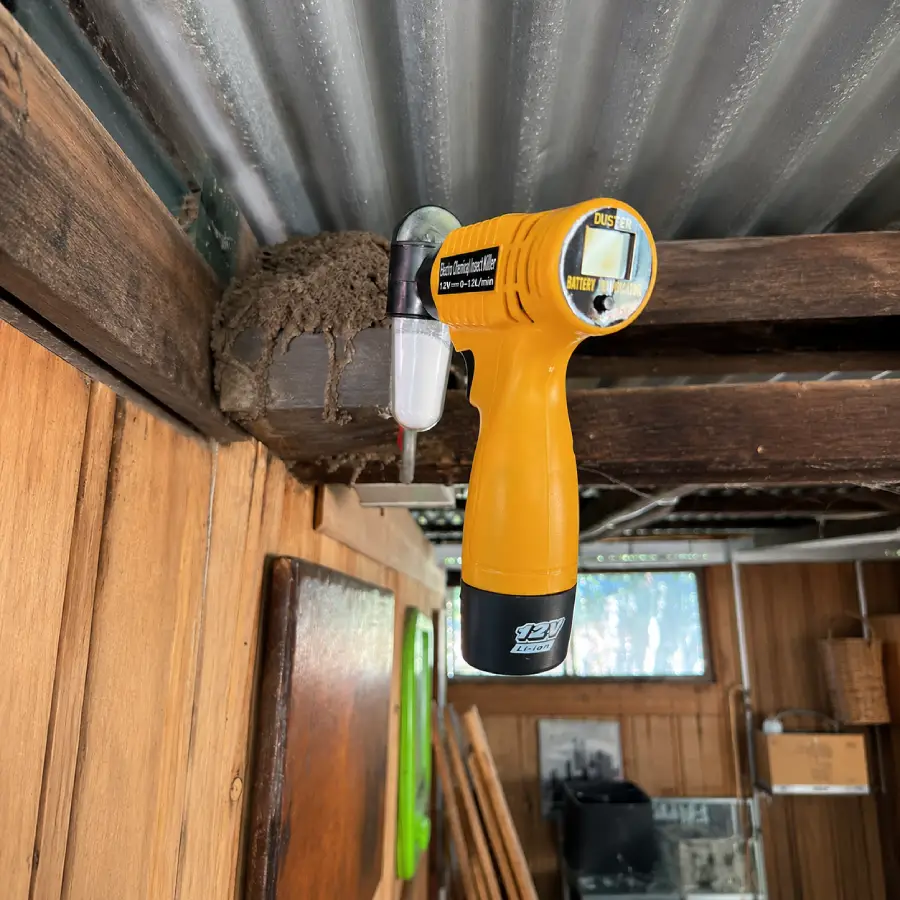
Every inspection runs to Australian Standard AS 4349.3, covering inside and out, the subfloor where access allows, the roof void, garden beds, fencing, retaining walls and any trees or stumps on the block. A standard inspection runs between 45 and 90 minutes.

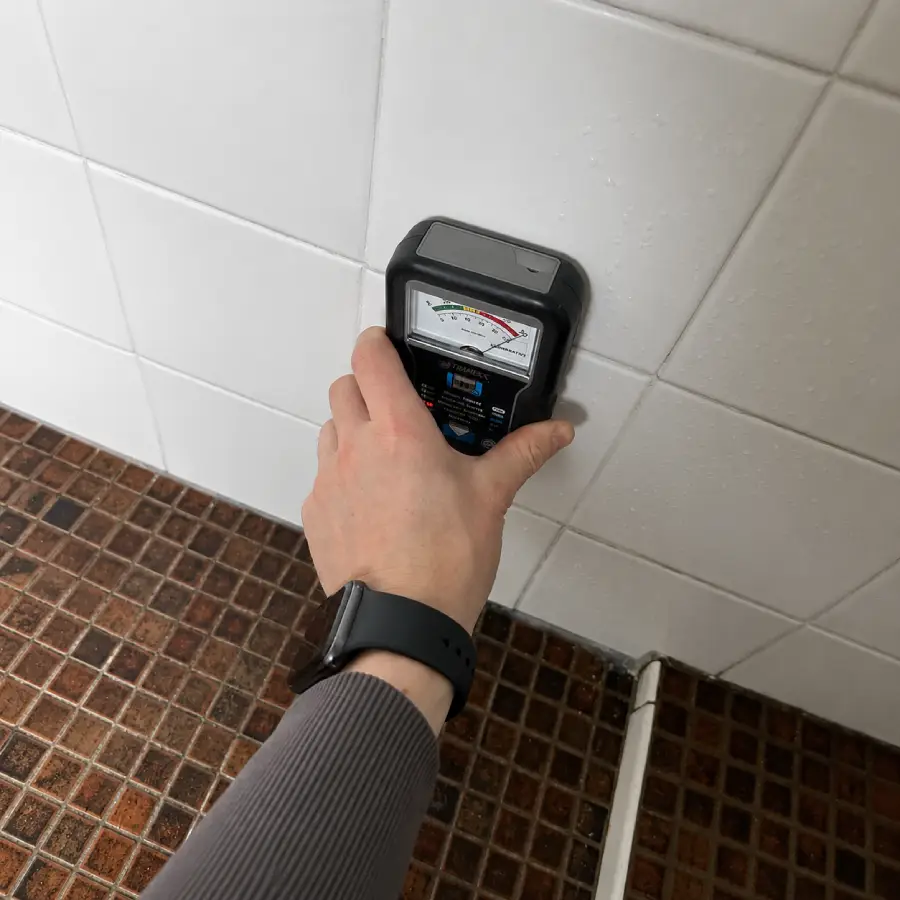
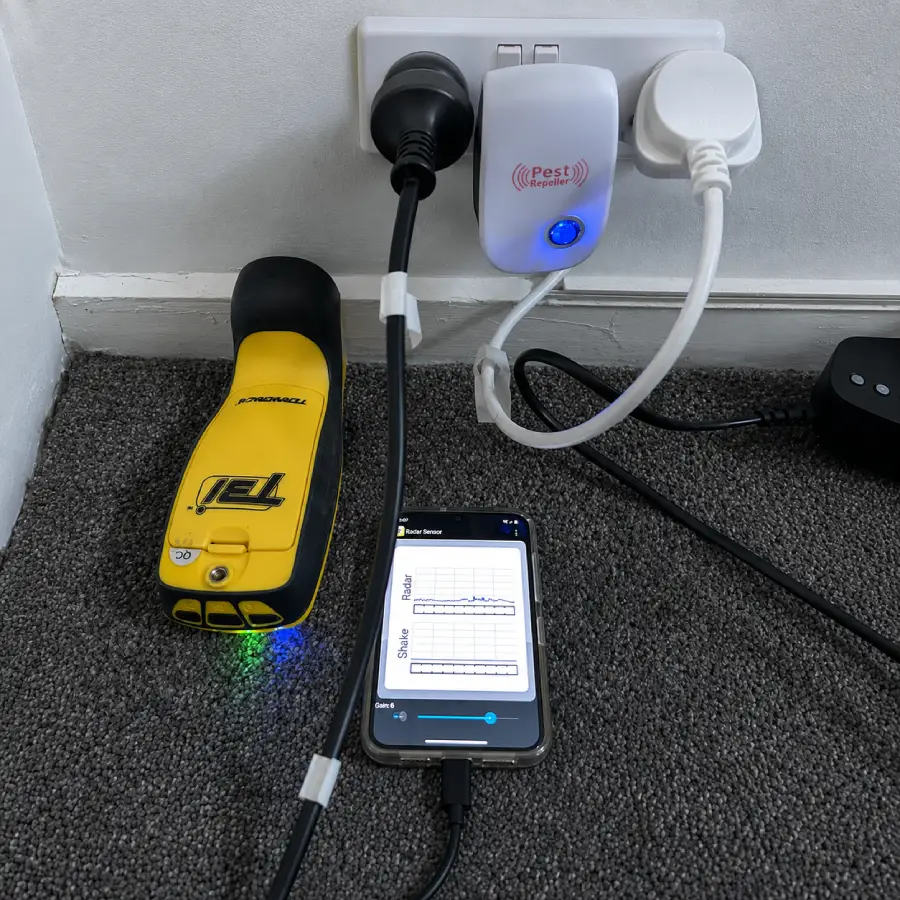
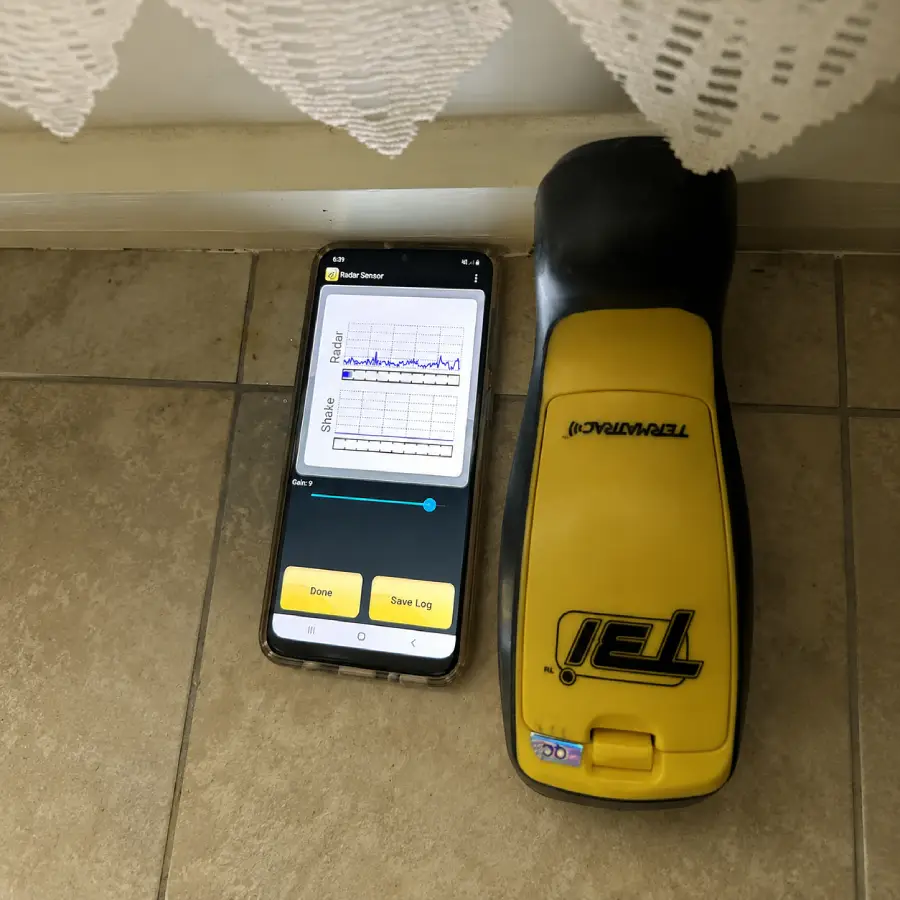
Every Tom’s Pest Control Canberra visit includes thermal imaging and moisture metering. In Canberra’s slab-on-ground homes, where subfloor access is often absent, thermal imaging is the primary tool for detecting activity behind walls and under floors without opening the structure. Moisture meters confirm damp zones that attract termites.

Across the established districts of Woden, Weston Creek and Belconnen, our technicians report that 1960s and 1970s slab homes with no crawl space are the most common inspection type. The absence of subfloor access means the inspection depends entirely on the thermal and moisture readings, and any barrier work requires drilling from the exterior. In the inner south, from Deakin and Forrest through to Griffith and Yarralumla, mature gardens with
large trees and dense plantings create moisture reservoirs around the foundations that our technicians identify as the most common contributing factor to active infestations.

Photographs and a written report follow inside 24 hours.

A termite inspection is a separate service from general pest control. It requires a licensed timber pest inspector and is priced independently.

Pre-purchase inspections: For property buyers in the ACT, a timber pest inspection before settlement identifies active termites, past damage and construction risks. The report provides a documented treatment cost basis before the purchase is finalised.

Termite Inspection and Treatment in Canberra

Winter Termite Activity in the ACT

The most common question our Canberra technicians hear is whether termites are a genuine concern in the ACT. The assumption is that Canberra’s cold winters kill termites or make them dormant. Neither is accurate.

Subterranean termites slow their foraging in the coldest months but do not stop. Colonies remain active below ground, and any home that maintains warm internal conditions provides a microclimate that keeps the colony working. Central heating, underfloor heating, hot water systems positioned against external walls, and even the warmth from a clothes dryer venting near the slab edge all sustain the temperature the colony needs.

Our technicians find active termite workings in Canberra homes in every month of the year, including mid-winter. In the Weston Creek district, homes in Chapman, Duffy and Holder that use wood-fired heating are among the most common winter findings, because the stored firewood and the warmth from the heater create ideal conditions close to the building.

The practical consequence for Canberra homeowners is that termite inspections are not seasonal. An inspection booked in October catches the spring ramp-up, but a second check in autumn identifies any activity that built up over the summer months. For homes near pine plantations, bushland reserves or with a history of termite activity, a six-monthly inspection cycle offers the strongest protection.

The treatment cost does not change with the season. A barrier installed in winter protects the perimeter the same as one installed in summer. The timing difference is in when the colony is detected, not in what the treatment costs.

Termite Barrier Cost Canberra

A chemical termite barrier in Canberra starts from $2,800. Perimeter length, slab construction, how much concrete and paving needs drilling, ground conditions and product choice all set the figure.

The barrier works by establishing a treated zone in the soil around the building. Non-repellent chemicals bond to soil particles and transfer between termites through contact and grooming, reaching the colony without detection. A properly installed barrier in undisturbed soil provides protection for up to 8 years.

Canberra’s cold winters slow the chemical breakdown of termiticides in the soil. This means barriers in the ACT can maintain their effectiveness for longer than in warmer, more humid climates like Brisbane or Perth, where soil activity and moisture accelerate degradation. Our technicians factor this into the monitoring schedule, but annual inspections remain the standard recommendation to confirm the zone is intact.

On established buildings, barrier work runs to Australian Standard AS 3660.2.

Termite Barrier Treatment in Canberra

Termite Treatment Cost by Method

The inspection confirms which method suits the property. Prices below are starting points. The written quote sets the final number.

Localised Treatment Cost (Spray, Foam and Dust)

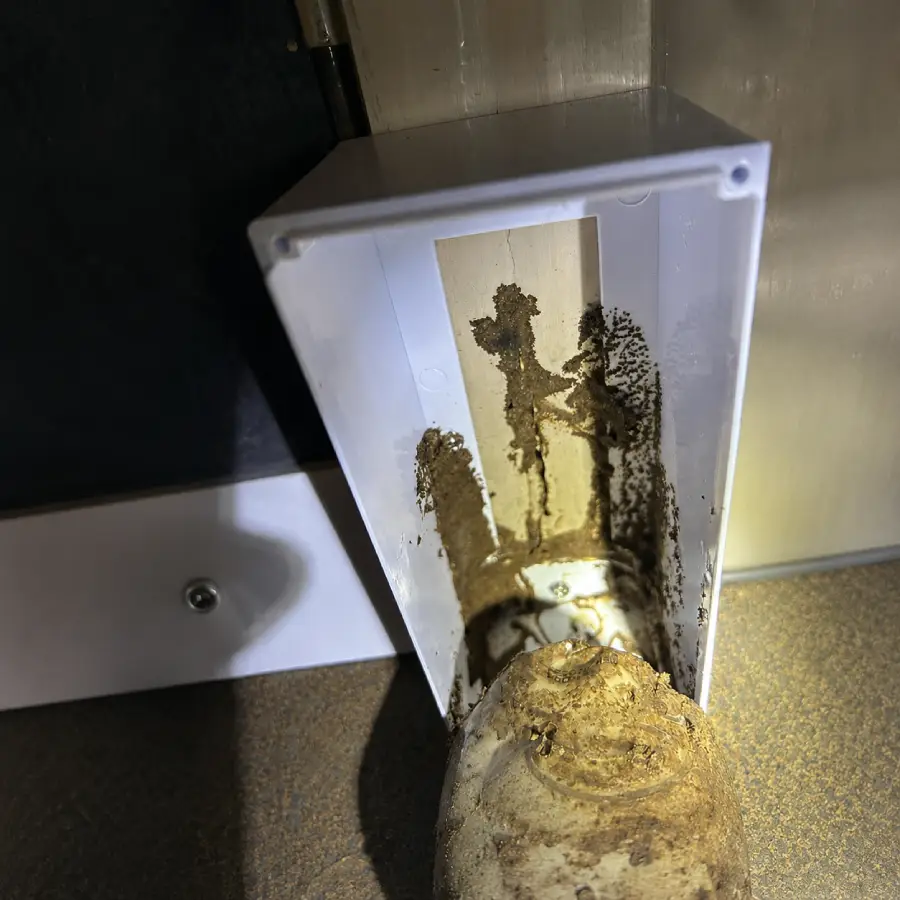
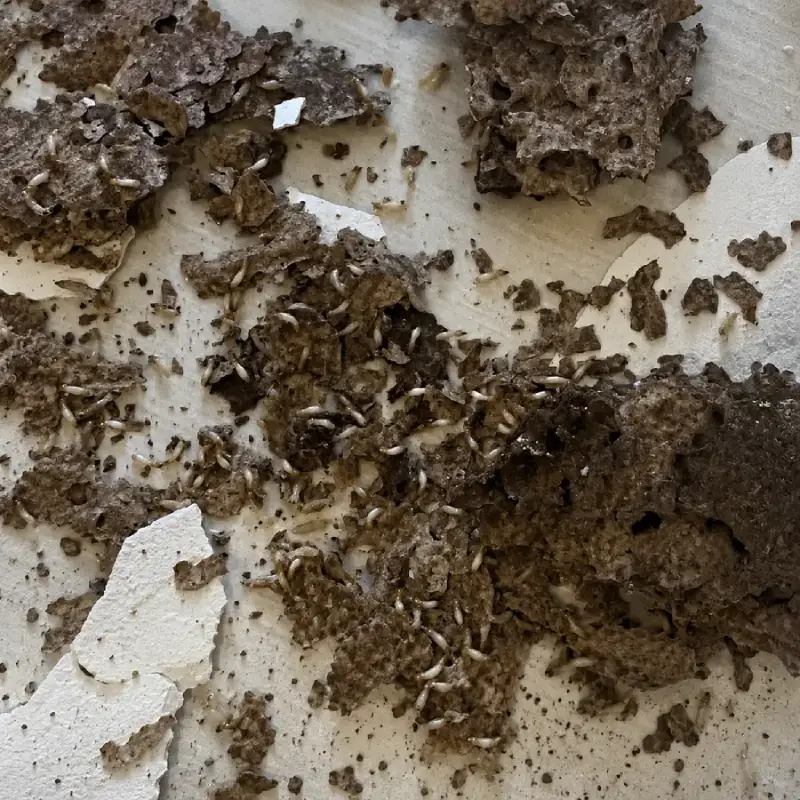
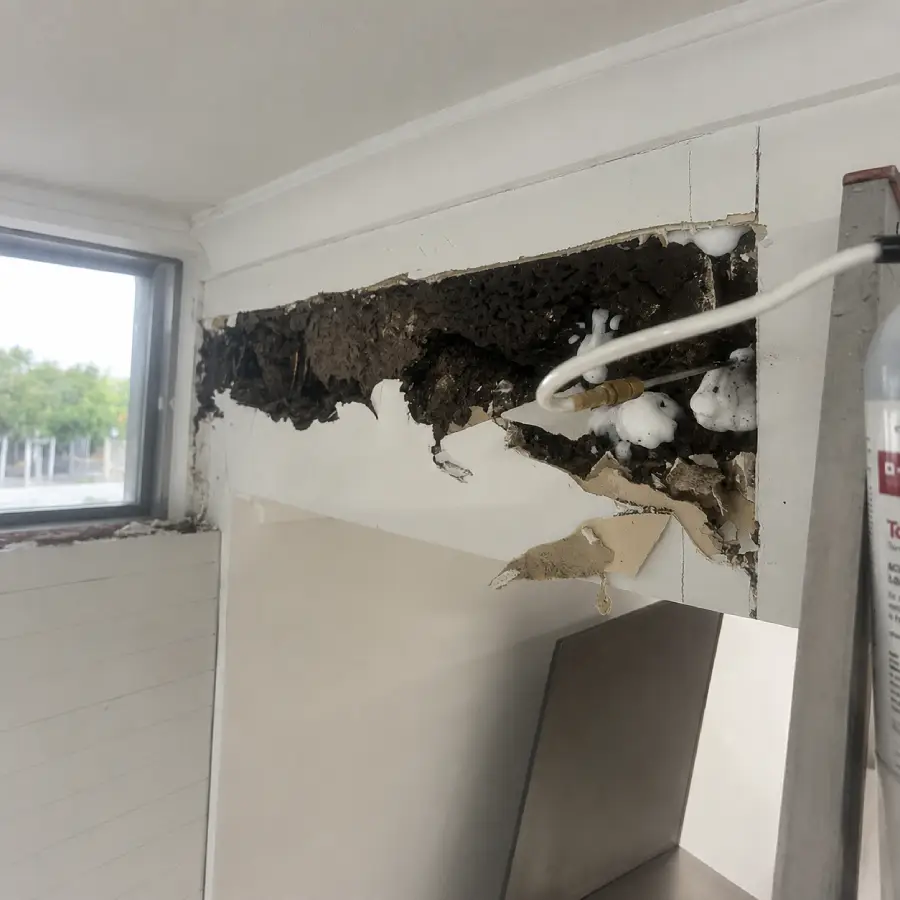
In Canberra’s 1960s and 1970s slab homes, where termites are found in the wall framing around bathrooms and laundries, localised treatments target the active workings directly. Three application methods cover different access conditions:

Sprays cover exposed surfaces and closed cavities. Foam expands into wall voids and ceiling spaces where liquid cannot penetrate. Dust is applied directly into active tunnels and workings, where worker termites carry the particles through the colony.

All three start from $249. The method depends on where the activity is located and how accessible the area is. Dust treatments usually require follow-up visits as the technician monitors the colony’s response. Spray and foam are single-application in most cases.

A localised treatment handles the immediate infestation in one area. It does not protect the rest of the building. Follow-up monitoring or a full barrier program is the recommended next step.

Localised Treatment Cost
Termite Baiting System Cost

Termite Baiting System Cost

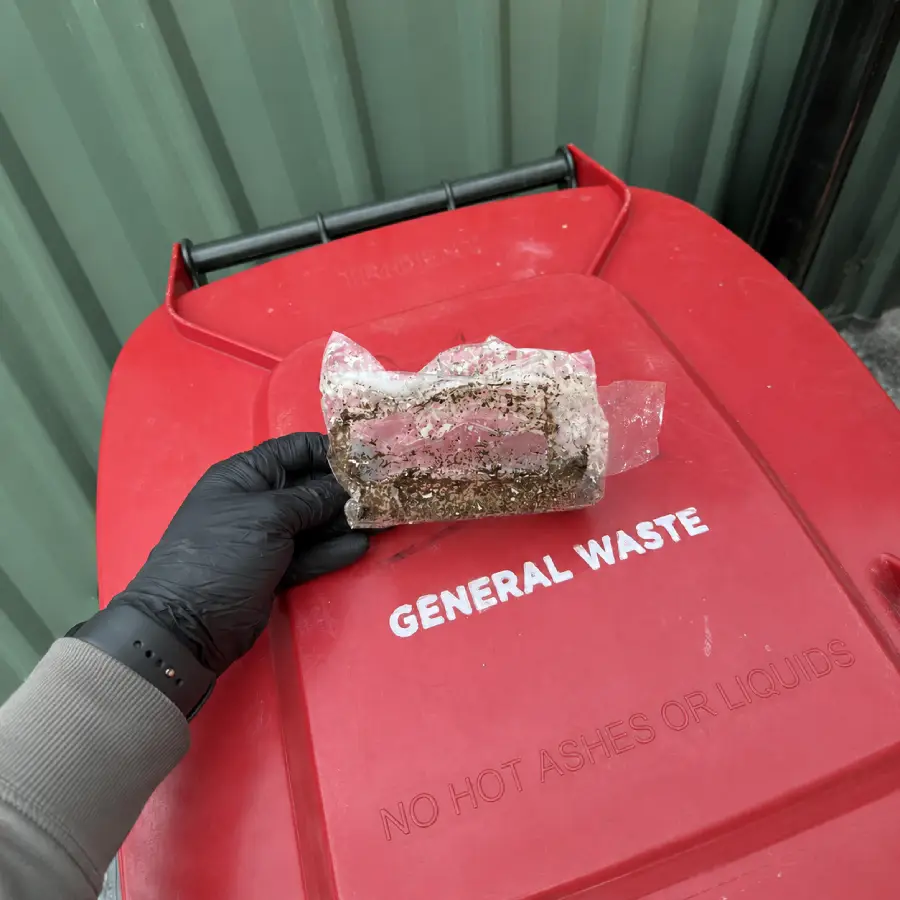
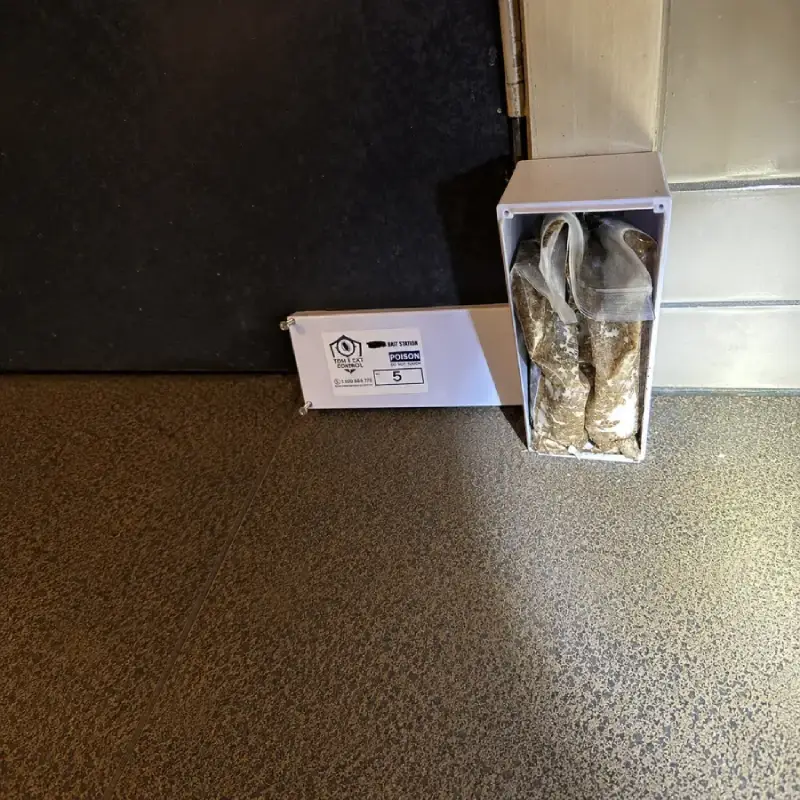
A baiting system positions in-ground stations around the building perimeter. Each station contains a cellulose bait with an insect growth regulator that termites feed on and share with the colony. The active ingredient prevents the colony from moulting, eliminating it over weeks to months.

Installation and first-year monitoring ranges from $249 to $2,800, depending on the station count and property size. Annual servicing from year two runs from $800+.

Baiting suits properties where trenching for a chemical barrier is difficult. In Canberra, that includes homes on sloping blocks through the Woden Valley, properties with extensive paving or decking, and buildings where the perimeter is restricted by fencing or retaining walls.

Chemical Soil Treatment Cost

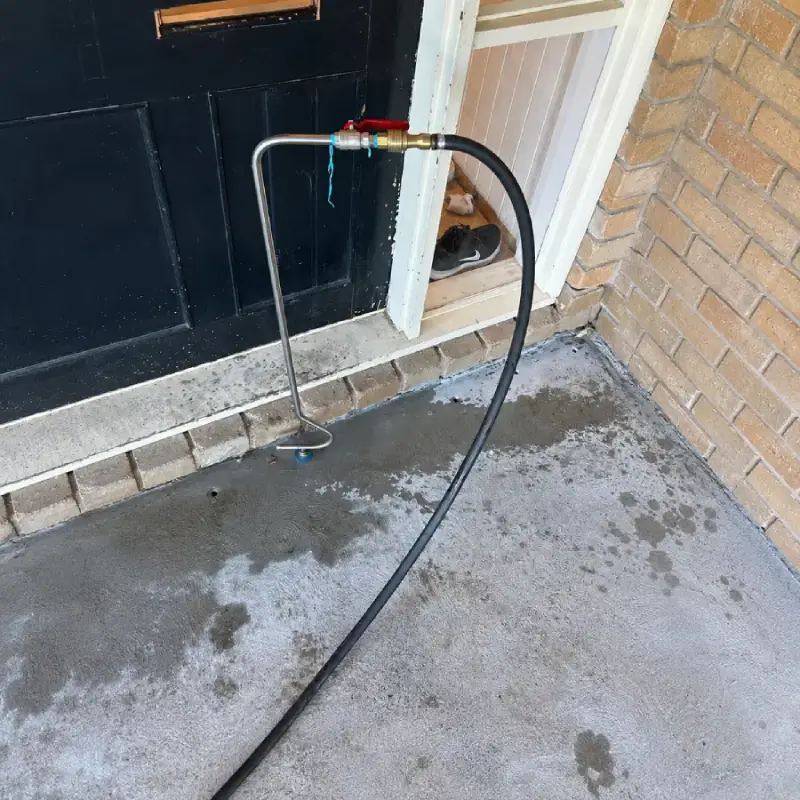
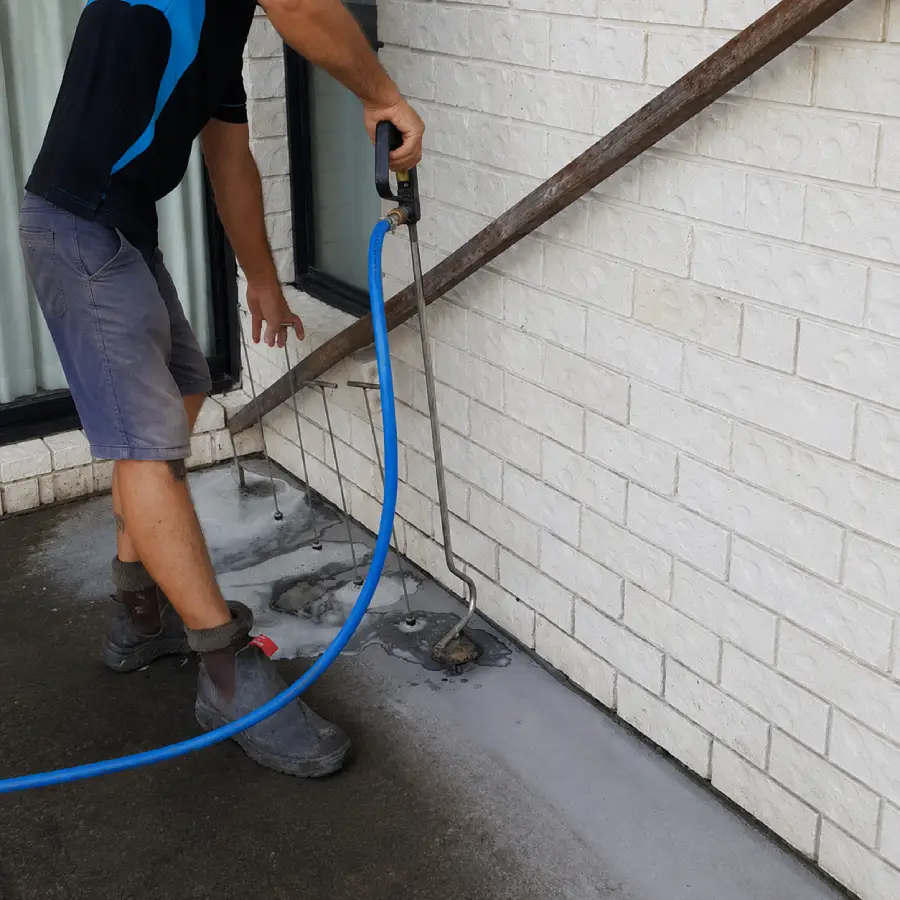
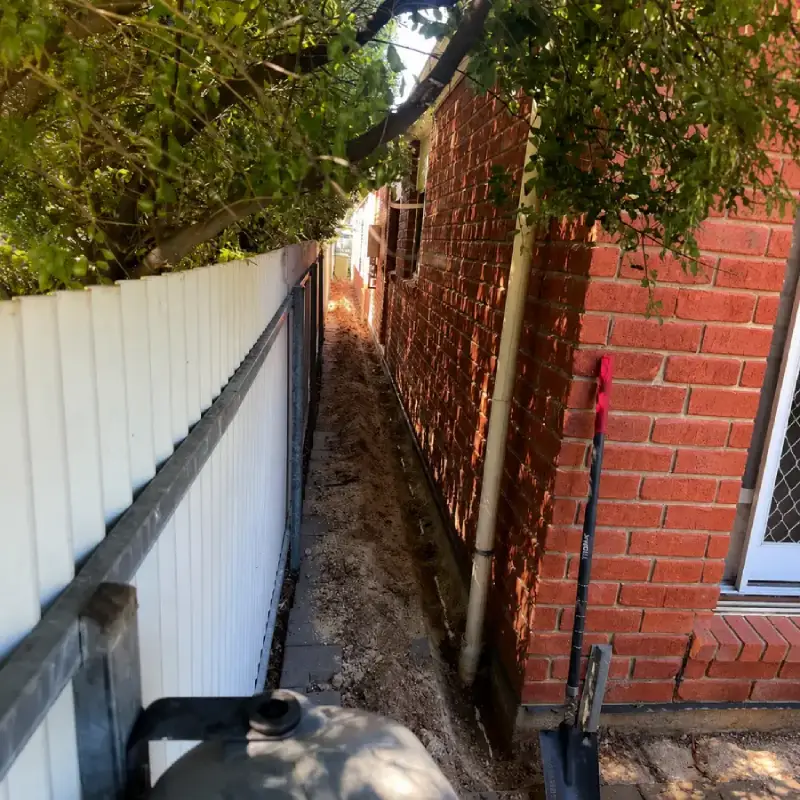
A chemical soil treatment creates a treated zone around the full building perimeter by trenching exposed soil and drilling through hard surfaces. Bonded to the soil, the termiticide moves from one termite to the next.

For a standard Canberra home, this starts from $2,800. More perimeter, more hard surface and harder ground each raise the cost. Tom’s Pest Control Canberra uses Termidor HE as the primary product.

Chemical Soil Treatment Cost
Whole-House Treatment Cost

Whole-House Treatment Cost

A whole-house program runs a full-perimeter chemical barrier alongside localised work wherever activity shows indoors. From $2,800, moving with the size of the home, the access and how far the workings extend.

Injection and Trench Treatment Cost

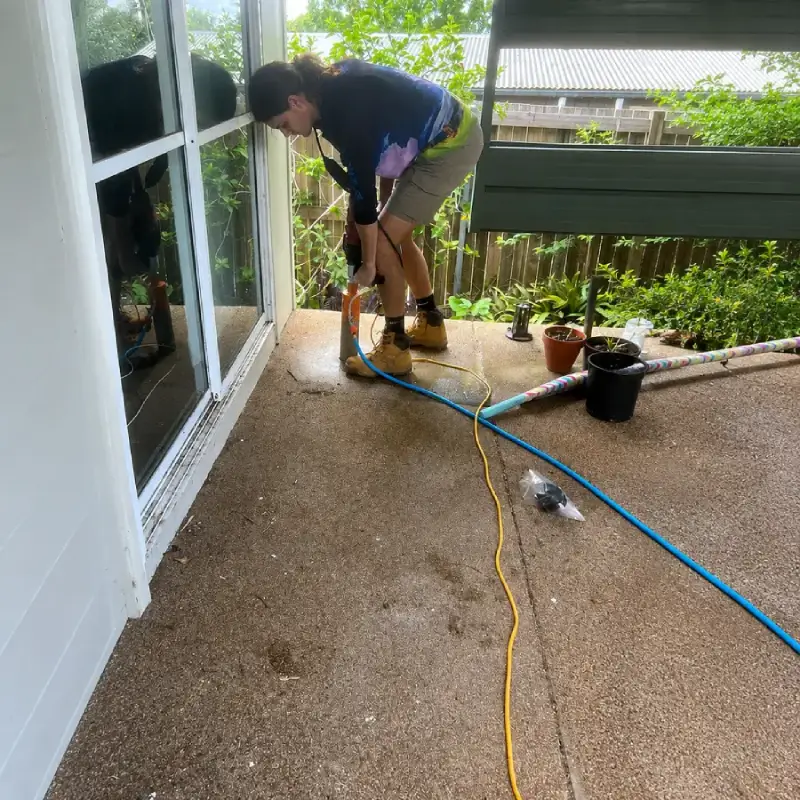
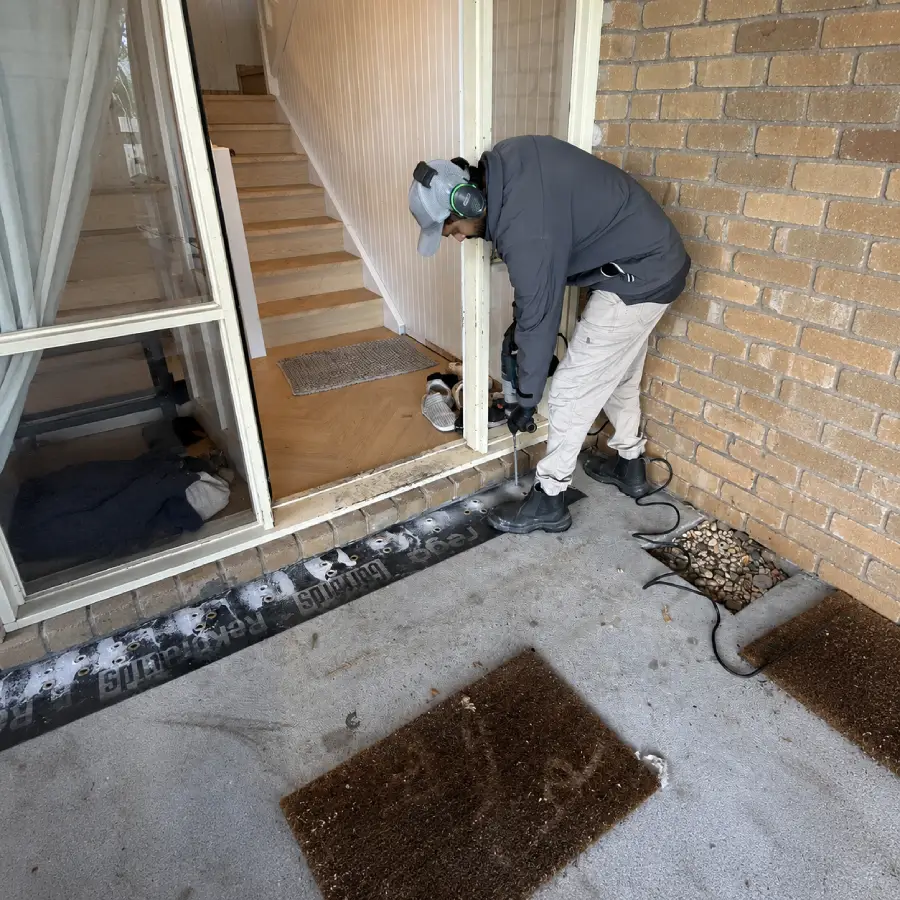
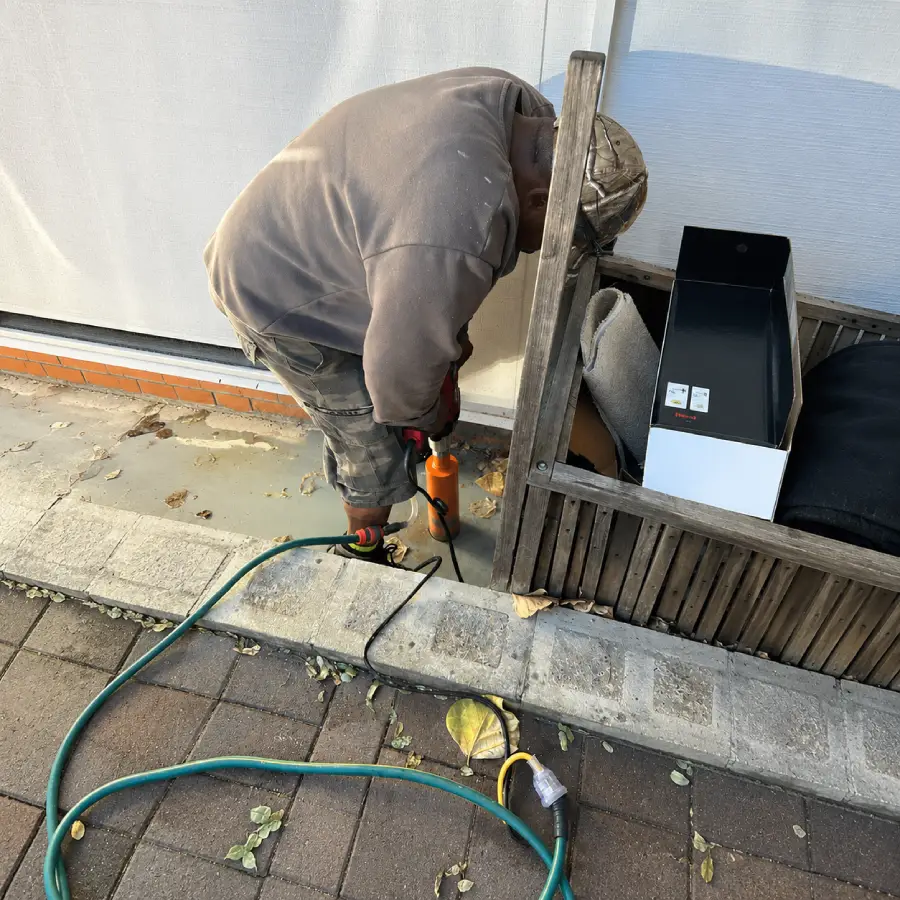
Injection drills through concrete and pumps termiticide into the soil below. Trenching excavates a shallow channel in exposed soil. Both methods form part of a full chemical barrier. The cost is included in the barrier price from $2,800. Properties with extensive hard surfaces require more drill points, adding to the labour.

In Canberra’s established districts, our technicians report that 1960s and 1970s homes with concrete paths poured against every wall are the most drill-intensive barrier installations. Each additional drill point extends the installation time and is reflected in the quote.

Injection and Trench Treatment Cost
Colony Elimination Cost

Colony Elimination Cost

Colony elimination is the objective of every treatment. Localised treatments (from $249) disrupt the colony at the point of activity. Baiting ($249 to $2,800) and barriers (from $2,800) eliminate the colony over time. The cost reflects the colony size and the treatment the inspection recommends.

Termite Reticulation System and Refill Cost

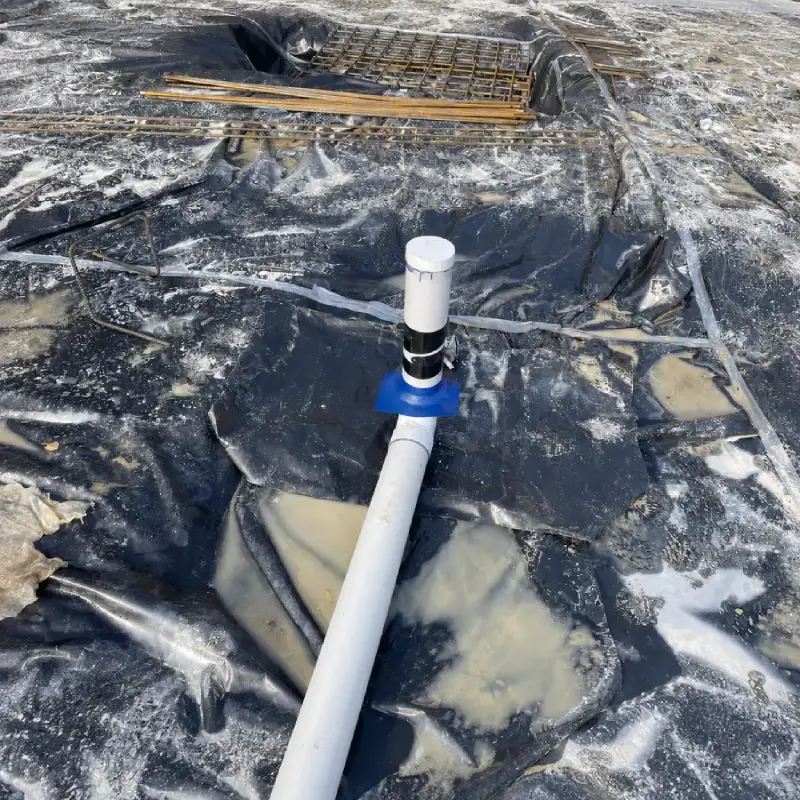
Reticulation is pipework set beneath or around the slab at build stage. It lets the termiticide be renewed without opening the perimeter again. Refills are costed system by system, on pipe run, product and pipework condition.

The schedule is fixed at installation, usually 5 to 8 years apart, or as the annual check advises.

Termite Reticulation System

Termite Reticulation System and Refill Cost
Termite Management System and Monitoring Cost

Termite Management System and Monitoring Cost

A termite management plan in the ACT combines initial treatment with a scheduled monitoring cycle. Canberra’s seasonal pattern makes the monitoring rhythm different from warmer cities: a spring check in October catches the seasonal ramp-up, and an autumn check in March or April identifies activity that built up over summer. For homes near pine plantations and nature reserves, six-monthly checks are the standard recommendation.

From year two, bait servicing starts at $800. Each visit includes station inspection, bait refresh, perimeter assessment and a written condition report.

Our technicians report that in Canberra’s newer Gungahlin suburbs, monitoring the landscaping-to-slab junction is a priority because the garden beds installed during construction often sit directly against the building.

The management plan spreads the cost over years. Year one covers the initial treatment and intensive monitoring. Subsequent years maintain the system at a lower, predictable annual cost.

Annual Termite Inspection and Maintenance Costs

Book in October when the first warm days trigger foraging activity after the winter slowdown. A second check in autumn catches any activity that built up over the summer months. The yearly inspection is $249 and up.

Properties bordering nature reserves, pine plantations or established bushland benefit from a six-monthly cycle. Homes across the Tuggeranong Valley, the Weston Creek district and properties near the Molonglo River corridor fall into this higher-frequency category.

From year two, bait servicing starts at $800. Most warranties depend on those inspections staying up to date. Miss one and the cover can fall away.

Annual Termite Inspection and Maintenance Costs

Factors That Affect Termite Treatment Cost in Canberra

  • Construction era and subfloor access: Canberra’s dominant residential construction is 1960s to 1980s concrete slab. Homes without subfloor access rely entirely on thermal imaging for detection and require drilling for any barrier work. Properties with accessible subfloors are faster to inspect and less expensive to treat.
  • Proximity to reserves and plantations: Homes bordering pine plantations, nature reserves and the Molonglo River corridor face higher termite pressure and may need larger treatment zones or more frequent monitoring.
  • Soil conditions: The ACT has a mix of clay, loam and decomposed granite soils. Clay ground keeps both moisture and termiticide in place longer. Decomposed granite drains faster and may need a higher application rate.
  • Perimeter hard surfaces: Properties with concrete paths, driveways and patios on multiple sides require drilling for barrier installation. More drill points mean more labour time and a higher quote.
  • Landscaping and garden beds: Mature gardens with trees, shrubs and organic mulch close to the building create moisture and concealed entry paths. Clearing a gap between plantings and the slab reduces both risk and treatment scope.
  • Heated homes in winter: Central heating, underfloor heating and hot water systems keep the indoor temperature above the colony’s activity threshold year-round. Heated homes may need monitoring even during the cooler months.
  • Existing protection condition: Where a previous barrier has been compromised by garden or building work, the new treatment addresses the gap. Homeowners who keep records of previous treatments help the technician scope the work faster.
Factors That Affect Termite Treatment Cost in Canberra
Termidor Treatment Cost Factors

Termidor Treatment Cost Factors

Tom’s Pest Control Canberra uses Termidor HE as the primary non-repellent termiticide. Accreditation with Termidor means the crew meets the maker’s training and application requirements.

Canberra’s cold winters slow the chemical breakdown of termiticides in the soil. That means a Termidor barrier in the ACT can maintain effectiveness for longer than in warmer, more humid climates. Our technicians account for this in the monitoring schedule, but annual inspections remain the standard check.

Where a treatment qualifies, the Termidor Assurance Warranty covers structural damage. Termidor is included in the barrier figure, from $2,800.

Pre-Construction Termite Treatment Cost

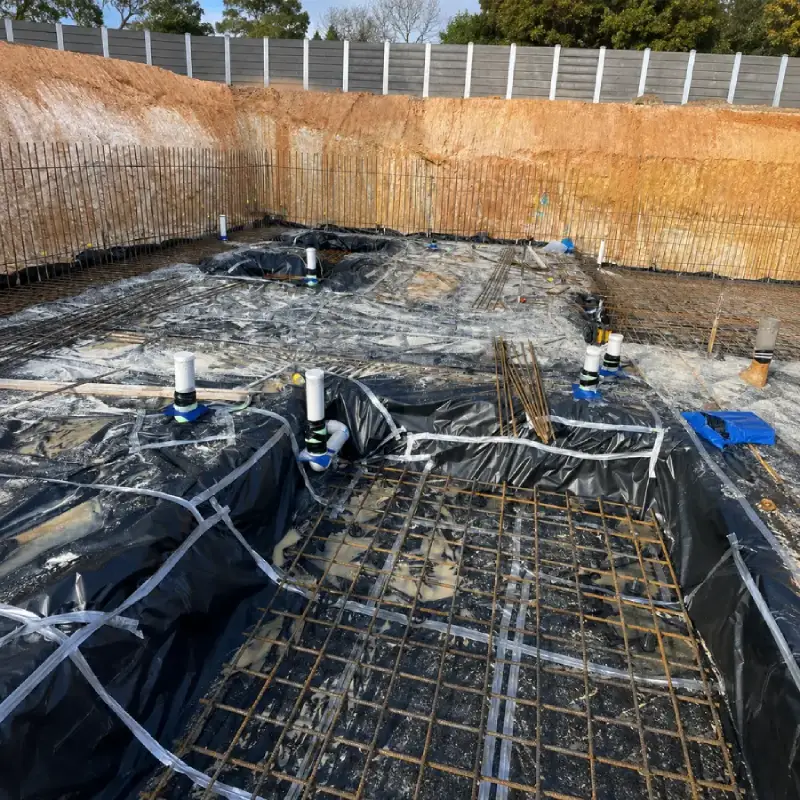
New developments across Canberra’s growth areas, through the Molonglo Valley, Whitlam, Denman Prospect and Taylor, require termite protection during the build phase. It goes in ahead of the slab pour, or before cladding is fixed.

Choices run from physical systems, stainless steel mesh, graded stone or impregnated sheeting, through to chemical soil pre-treatment. Each build is quoted on slab area, the barrier chosen and the design. Australian Standard AS 3660.1 applies throughout.

Installing protection during construction is the most cost-effective stage. The soil is exposed, access is clear, and the treatment integrates with the build. Fitting a barrier after the house is finished brings trenching, drilling and access work, all of which add cost.

Pre-Construction Termite Treatment Cost

How Termite Treatment Costs Compare Across Australia

Treatment costs vary by capital based on climate, soil and construction. Canberra sits at the lower end of the range due to its cooler climate, but the cost of treatment itself is comparable because the methods and products are the same.

Capital

Barrier (from)

Inspection (from)

Risk level

Canberra

From $2,800

From $249

Lower, present near bushland

Melbourne

From $2,800

From $249

Moderate

Adelaide

From $2,500

From $250

Moderate

Sydney

From $2,800

From $249

Moderate to high

Perth

From $2,800

From $249

High

Brisbane

From $2,800

From $249

High, year-round

Read these as market benchmarks, not Tom’s Pest Control Canberra quotes.

The Cost of Leaving Termites Untreated

The Cost of Leaving Termites Untreated

A 1970s slab home in Weston Creek where the colony stayed active through winter had damage to the internal timber frame that was only discovered during a bathroom renovation. The repair cost was $11,000. The homeowner had assumed the cold climate made termites unlikely.

CSIRO puts the figure at nearly one Australian home in three. AEPMA reports repairs averaging about $10,000. Australian home policies exclude termite damage as standard.

At $249 for an inspection and $2,800 for a program, prevention lands well under that repair figure. Annual checks identify activity before it becomes structural damage.

Additional Costs to Consider

  • Timber repairs: Termite damage to wall framing, bearers or roof timbers is repaired separately from the treatment. Costs range from a few hundred dollars for a single frame member to $10,000 or more for structural work.
  • Moisture remediation: If the inspection identifies moisture sources contributing to termite conditions, addressing those is priced separately. Fixing drainage, improving ventilation and redirecting downpipes away from the slab reduce re-infestation risk.
  • Ongoing monitoring: Annual inspection (from $249) and bait servicing (from $800+) are recurring costs to include in the total protection budget.
Additional Costs to Consider

The Termidor Assurance Warranty: Your Ultimate Protection

The Termidor Assurance Warranty is exceptional. It covers your home for structural damage up to $2 million, offering you high-level termite protection both on paper and in the ground. This warranty also ensures your home is treated by an accredited Termidor applicator using genuine Termidor – not an inferior copy.

To activate your warranty, simply talk to your accredited pest controller at Tom’s Pest Control Melbourne. Please note: The Warranty offer is available to Australian homeowners only.

Why Homeowners Trust Termidor

Over the last 21 years, more than 400,000 homeowners have put their trust in Termidor, without a single product failure. Termidor is Australia’s number one trusted brand for termite control and provides long lasting treatment for at least eight years. Termidor also comes with a Termidor Assurance Warranty that covers your home for structural damage of up to $2 million to give you peace of mind for your most valuable asset.

Termidor HE The Most Advanced Termite Protection Yet

In 2017, BASF introduced Termidor HE ‘High Efficiency’ termiticide, the next step in termite treatment following Termidor Residual. Termidor HE is an advanced termite protection solution that allows the establishment of uniform and consistent termite protection for your home whilst reducing the risk of damaging the aesthetics of your home.

Why Termidor Is Advanced Termite Protection Yet?

  • Optimised efficiency with reduced disruption, digging and drilling for application
  • New Advanced Polymer Technology creates an enhanced protection zone and transport of the active ingredient.
  • Unique application flexibility with wider drill hole spacing and shallower trench depths for treatment convenience when treating complex footing designs.
  • Unique Termidor Transfer Effect™ ensures the powerful active is passed throughout pest populations, without detection, for total population control.
  • Flexible and adaptable use capacity in conjunction with bait treatments.
Read Less

Termite Proof Your Home with Australia’s Trusted Termiticide

For over 10 years, Termidor has been the trusted brand for termite control in Australia. Now, with the Termidor Assurance Warranty covering structural damage up to $2 million, you can enjoy a new level of confidence, security, and peace of mind.

Whether you need white ant treatment in Melbourne or are curious about termite spray cost, trust Tom’s Pest Control for the best solutions. We’re here to help you safeguard your most valuable asset – your home.

Termidor Residual The Original Termite Solution

Termidor Residual Termiticide and Insecticide provides the most superior levels of control against termites, as well as a range of other pests, including ants, cockroaches, spiders, and flies. Termidor has been developed with BASF’s advanced non-repellent technology, providing significant advantages over other inferior insecticides.

What’s involved?

  1. An Accredited Termidor Applicator will conduct a thorough inspection of your property – should termites be found, a treatment with Termidor Foam will be required to quickly stop activity within your home.
  2. A trench will be dug around your home in preparation for the Termidor application.
  3. Termidor will be applied to the soil as it is backfilled.
  4. Holes are drilled through paths and concrete areas, or concrete is cut away to gain access to the soil.
  5. Pavers, if not concreted in, must be lifted, the soil treated underneath, and the pavers re-laid.
  6. Some soils, such as heavy clays, may be removed and replaced with a sandy loam before treatment.
  7. A follow-up visit is recommended by your Accredited Termidor Applicator.
  8. Ongoing inspections of your home and surrounds at least every 12 months, and more frequently in high-risk situations, are recommended.
What Our Technicians Check Before Preparing a Quote

What Our Technicians Check Before Preparing a Quote

Everything reachable gets checked:

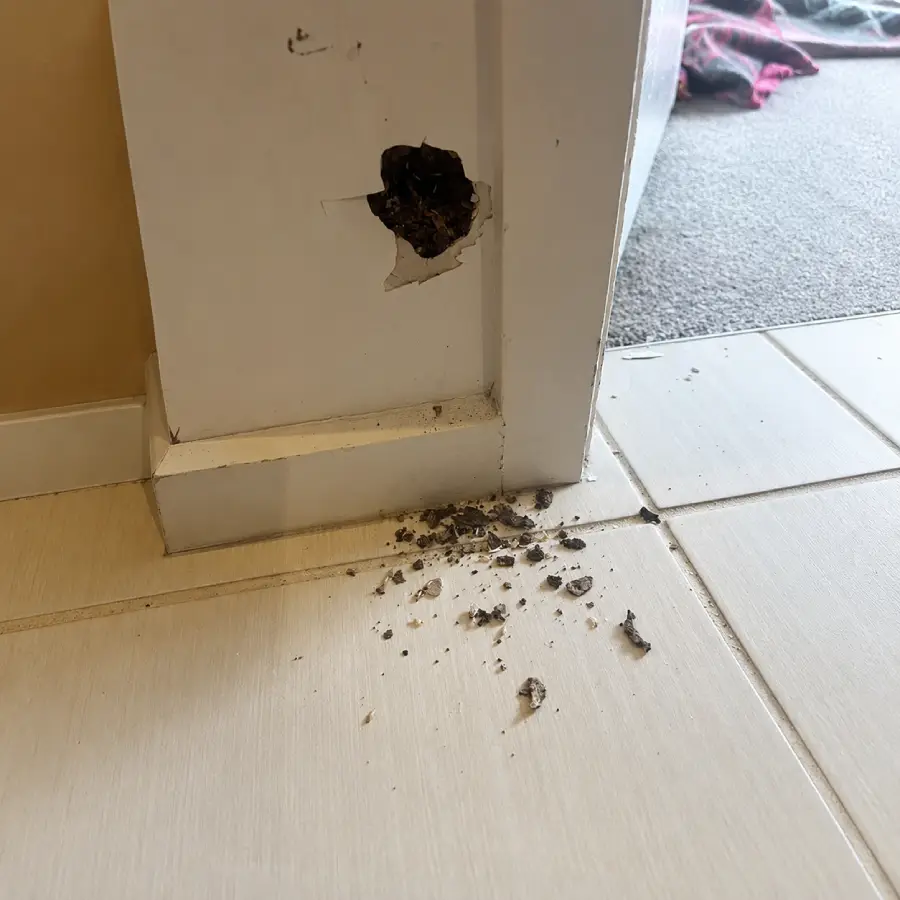
  • Internal walls, skirtings and door and window frames, for evidence or moisture. 
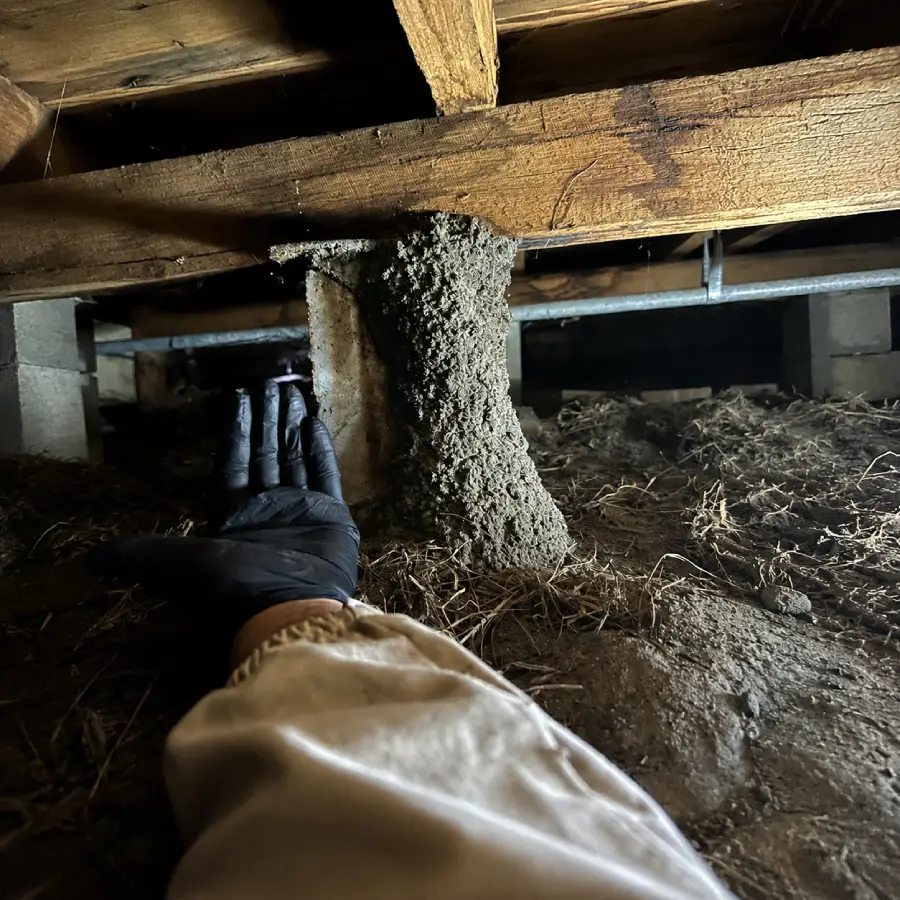
  • Subfloor areas, access permitting, for shelter tubes, mudding and damp. 
  • The roof void, for movement in roof timbers. 
  • The outer perimeter, for entry points, soil touching timber, and drainage faults. 
  • Beds, fences, retaining walls, trees and stumps, for outdoor activity. 
  • Barriers, stations or reticulation already installed, for condition and coverage. 

In Canberra, the findings that move the quote most are subfloor access and the construction era. In the older districts across Yarralumla, O’Malley and Griffith, homes built before the 1980s often have partial subfloor access or timber-framed extensions added over the years, and our technicians find that these additions create gaps in any existing treated zone. One observation that regularly surprises Canberra homeowners is that termites remain active through the ACT winter. Our technicians find live workings year-round in homes with heated subfloors or hot water systems against the building.

AS 4349.3 sets the method, supported by thermal imaging and moisture detection.

How to Compare Termite Treatment Quotes

When evaluating quotes in Canberra, check these points:

  • Does the company hold a pest controller licence from Access Canberra under the Environment Protection Act 1997 (ACT)? 
  • Does the quote include a documented treatment proposal with a cost, method and warranty breakdown? 
  • Are public liability and professional indemnity policies current? 
  • Does the technician bring thermal imaging and moisture detection to site? 
  • Did someone actually inspect the property before quoting? 

A lower number with no paperwork, no licence, or given over the phone is not the same thing.

How to Compare Termite Treatment Quotes
How We Prepare a Written Termite Quote

How We Prepare a Written Termite Quote

Tom’s Pest Control Canberra documents every treatment proposal after the inspection. The written quote covers:

  • The recommended treatment method and the rationale. 
  • The confirmed price, broken down by treatment zone and product. 
  • The length of protection, and what conditions attach. 
  • Warranty terms, specifying coverage and exclusions. 
  • The monitoring schedule, including the recommended seasonal check cycle. 

Work begins only once you have accepted the written quote.

How to Reduce Termite Treatment Costs Over Time

  • Book a spring inspection: An October inspection from $249 catches the seasonal ramp-up. A second check in autumn confirms nothing built up over summer. Early detection keeps the treatment scope small and the cost low. One pattern our technicians see across Canberra is firewood stacked against the house or garage wall, particularly through the Weston Creek suburbs of Chapman, Duffy and Holder where wood heating is common. That stored timber holds moisture through the ACT’s cold, wet winters and provides termites with a direct food source at the building perimeter. Moving firewood to a stand at least a metre from the walls is one of the simplest risk reductions available.
  • Remove old timber garden edging: Our technicians report that in-ground garden edging made from treated pine sleepers is a frequent finding across the established suburbs of Curtin, Hughes and Garran. The sleepers break down over time, attract termites to the garden beds closest to the house, and from there the colony reaches the slab edge within a single season.
  • Fix moisture sources: Repair leaking taps, redirect downpipes and ensure subfloor ventilation is adequate. In Canberra’s clay soils, moisture sits rather than drains.
  • Maintain a clear perimeter: Keep garden beds, mulch and stored materials away from the building. A gap of at least 75mm between any organic material and the slab reduces concealed entry paths.
  • Protect the treated zone: Avoid digging, landscaping or building work near the building perimeter. Disturb it and book a barrier check.
How to Reduce Termite Treatment Costs Over Time

Why Choose Tom’s Pest Control Canberra

  • Licensed and fully insured: Our technicians hold pest controller licences from Access Canberra under the Environment Protection Act 1997 (ACT) and the Environment Protection Regulation 2005 (ACT), with 20+ years of combined experience across the ACT.
  • Termidor Accredited Applicator: Tom’s Pest Control Canberra meets the manufacturer’s training and application standards for Termidor HE.
  • Written quotes before any work: Every treatment is quoted in writing after a full inspection. The proposal details cost, method, protection period and warranty.
  • 4.7 stars from 223+ reviews: Canberra homeowners rate Tom’s Pest Control Canberra for clear communication and reliable service.
  • Same-day and next-day availability: Call (02) 6105 9024 to book an inspection or request a written quote.
Why Choose Tom’s Pest Control Canberra

Termite Treatment Cost FAQs

Localised treatments start from $249. Full barrier and baiting programs open at $2,800. The written quote confirms the price after inspection.

$249 for a standard home. Allow 45 to 90 minutes, with a written report supplied. Bigger homes, or those with awkward access, cost more.

$2,800 and up for full-perimeter chemical work. The quote reflects perimeter length, hard surfaces, soil type and product. It holds for as long as 8 years.

Standard Australian policies exclude termite damage. Check your policy and maintain regular inspections.

Between 45 and 90 minutes for a standard Canberra home. Properties without subfloor access rely more heavily on thermal imaging and may take longer for a thorough reading.

Yes. Activity slows but does not stop. Heated homes maintain conditions that keep colonies foraging year-round. Our technicians find active workings in every month.

Without a crawl space, the inspection relies on thermal imaging and the barrier goes through drilling rather than trenching. Both add time and are reflected in the quote.

Properties near pine plantations, nature reserves and the Molonglo River corridor face higher risk. Large colonies forage from the bush into garden beds, fencing and retaining walls before reaching the building.

A pre-purchase timber pest inspection is recommended. It identifies active termites, past damage and treatment costs before settlement. The inspection starts from $249.


Request a Termite Treatment Quote

Ring Tom’s Pest Control Canberra on (02) 6105 9024 or fill in the online form, to arrange an inspection or a written quote. Inspections start from $249.

Contact Us